Minimal Reality is a photography archive by Hengxi Chen (陈衡希), presented as an
infinite 2D spatial field of images. Visitors navigate a conceptual universe of
visual memories, browsing the collection in either a spatial (draggable canvas) or
a classic grid mode.
Minimal Reality 是摄影师陈衡希的摄影档案,以一片无限延展的二维空间影像场呈现。
你可以在空间模式(可拖拽画布)或网格模式下浏览这些照片,漫游由视觉记忆构成的概念宇宙。
Works · 作品(21)
Ceiling of Insomnia / 失眠天花板
I am particularly prone to insomnia, so I often lie awake at night with my eyes open. Even when my eyes adjust to the darkness, the ceiling—its shape, even its distance—becomes extremely vague because of the surrounding dark. Yet the ceiling is never completely black. My eyes can always detect many things unrelated to darkness, yet impossible to describe: light, outlines, colors, even movement.
No room is ever absolutely dark. Blinds and curtains always leave small blind spots they cannot cover, and many electronic devices emit light. These lights are difficult to notice, sometimes even impossible to capture with the naked eye, yet they quietly tint my night.
I want to use long-exposure photography to record the ceilings that witness my insomnia. Whether I hold the camera above me with both hands or rest it on my stomach so it moves in rhythm with my breathing, a certain randomness—belonging to the interaction between my body and the night—will condense onto the photograph.
我尤其容易失眠,于是总在夜里睁着眼睛。即便眼睛适应了黑暗,天花板的模样——甚至距离,也因为环境的黑暗而显得极其模糊。但天花板却又不是绝对的黑,我的眼睛总能察觉到许多与黑暗无关,却又无法描述的光,轮廓,颜色,甚至移动——没有任何房间是绝对的黑,因为百叶窗和窗帘都有无法照顾的死角,而许多电子设备都发光,这些不易被察觉,甚至无法肉眼捕捉的光都在渲染着我的夜。
我想用长曝光摄影的方式来记录那些见证着我失眠的天花板。不论是双手高举相机,还是将它安放在我的肚子上与我的呼吸同频,某种随机的,属于我身体与夜晚交互间的律动就会凝结于照片之上。
2026.3.7
Photographing My Phone / 拍摄我的手机
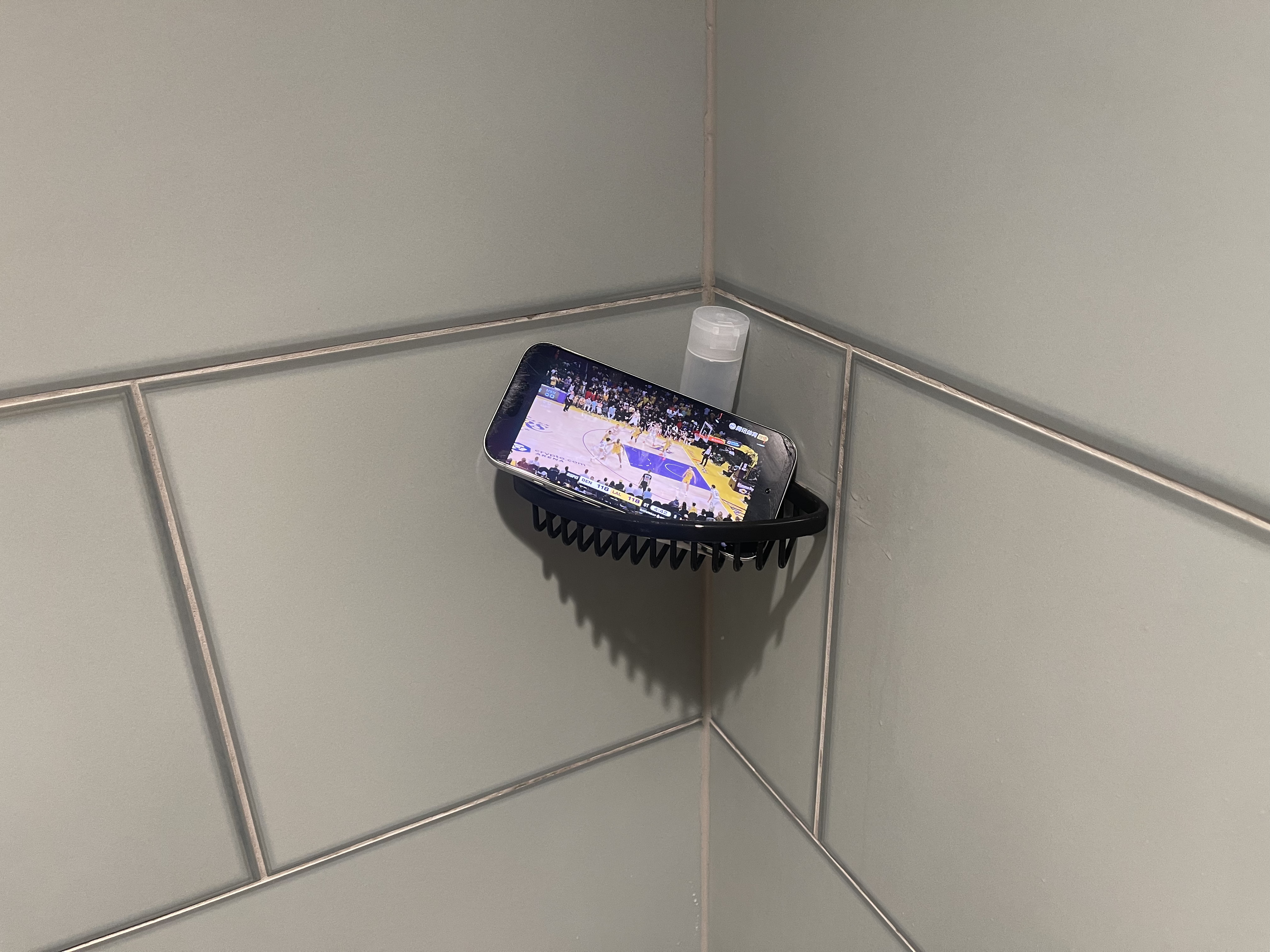
I just propped my phone up on a bottle of body wash and watched, in the shower of a New York hotel room, the best NBA game I’ve seen so far this year.
The idea that “phones will replace cameras” strikes me as not only amateurish, but rather stupid.
After all, if I don’t carry a camera, how would I be able to photograph my phone?
The truth is that the situations and gestures in which we use our phones—and the phone itself, as a luminous screen—are both worth photographing.
我刚用沐浴露架着手机,在纽约的酒店里一边洗澡一边看完了今年至今为止最好看的一场NBA比赛。
我认为“手机会代替相机“的这个想法不仅业余,而且十分愚蠢——显然,如果我不是一个带着相机的人,我该如何拍摄我的手机呢?
事实是,我们使用手机的场景,以及手机作为一块屏幕的本质存在,都很值得被拍摄。
2026.3.14
Crack of a Door / 门缝
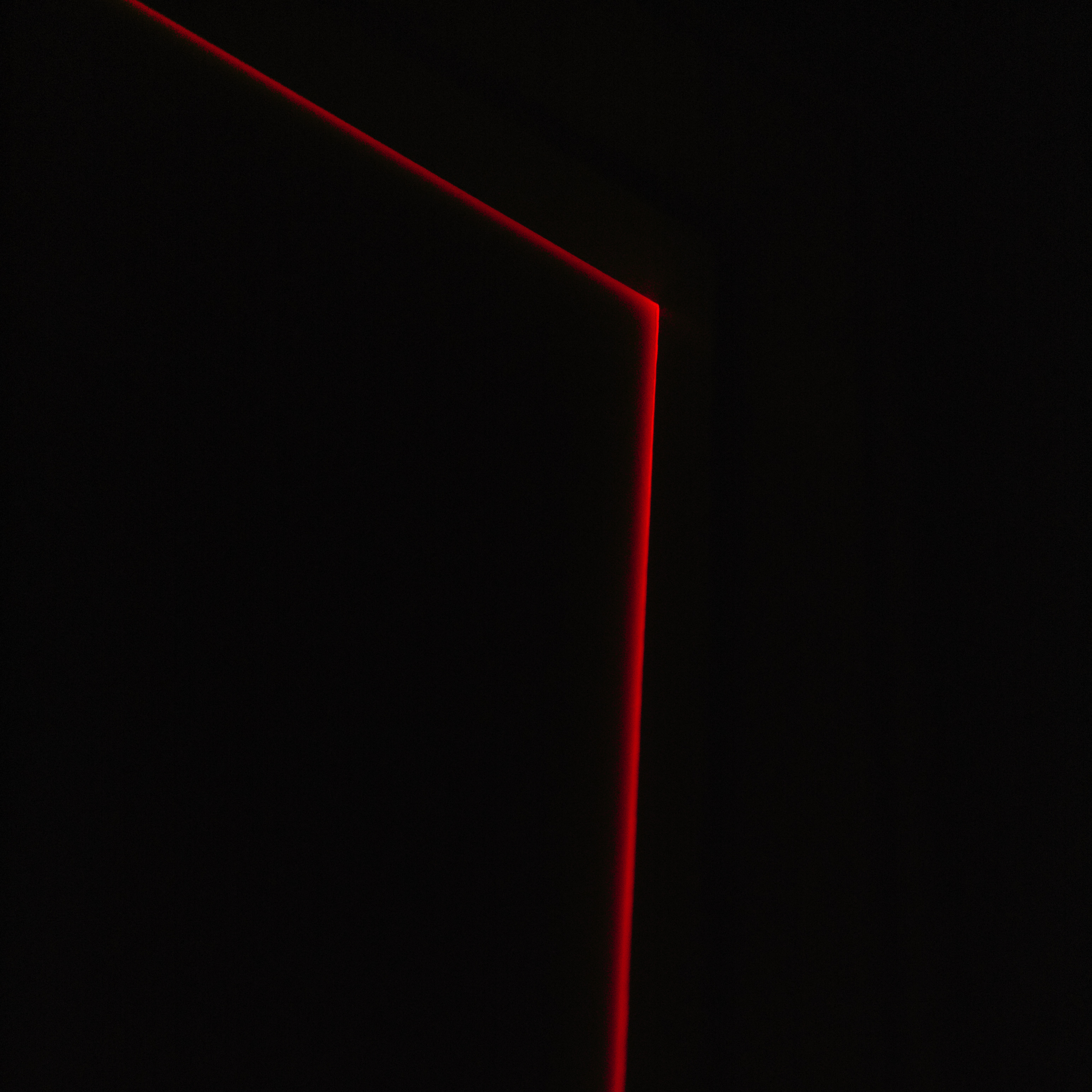
The thin line of light spilling from the gap beneath a door at night is a two-dimensional presence—flat, without depth. Yet this very quality does not render it insignificant, for the moment we observe that line, we instinctively assume the existence of a space behind it.
Even so, the contents of that space—its atmosphere, even its size—remain unknowable. We can only stare at that line, and in the dark, allow curiosity, excitement, or fear to arise.
Why is red light spilling out of P’s room…
在夜中溢出微光的门缝是一条没有深度,并不立体的二维存在,它的这般性质并不会让其存在变得单薄,因为当我们对这一条线进行观测时,我们便会默认它背后存在着一个空间。
即便如此,那个空间的内容,气氛,甚至大小都让人无从得知。我们只能望着那条线,在暗中生出好奇,兴奋或恐惧。
为什么P的房间溢出了红色的灯光...
2026.3.17
Jarring Insertion / 强行插入
I was walking around SOHO in New York when the shopping bags in some pedestrians’ hands caught my attention. On both sides of the bags were photographs, and above them hung a logo called Aritzia. The images felt familiar, so I moved closer to take a look—sure enough, they were photographs by Gregory Crewdson.
This inexplicable insertion piqued my interest.
I did a quick search and looked into the brand. It turned out to be a European brand positioned in the mid-to-high-end women’s fashion market. These labels bear little relation to the American South, or even to America at all.
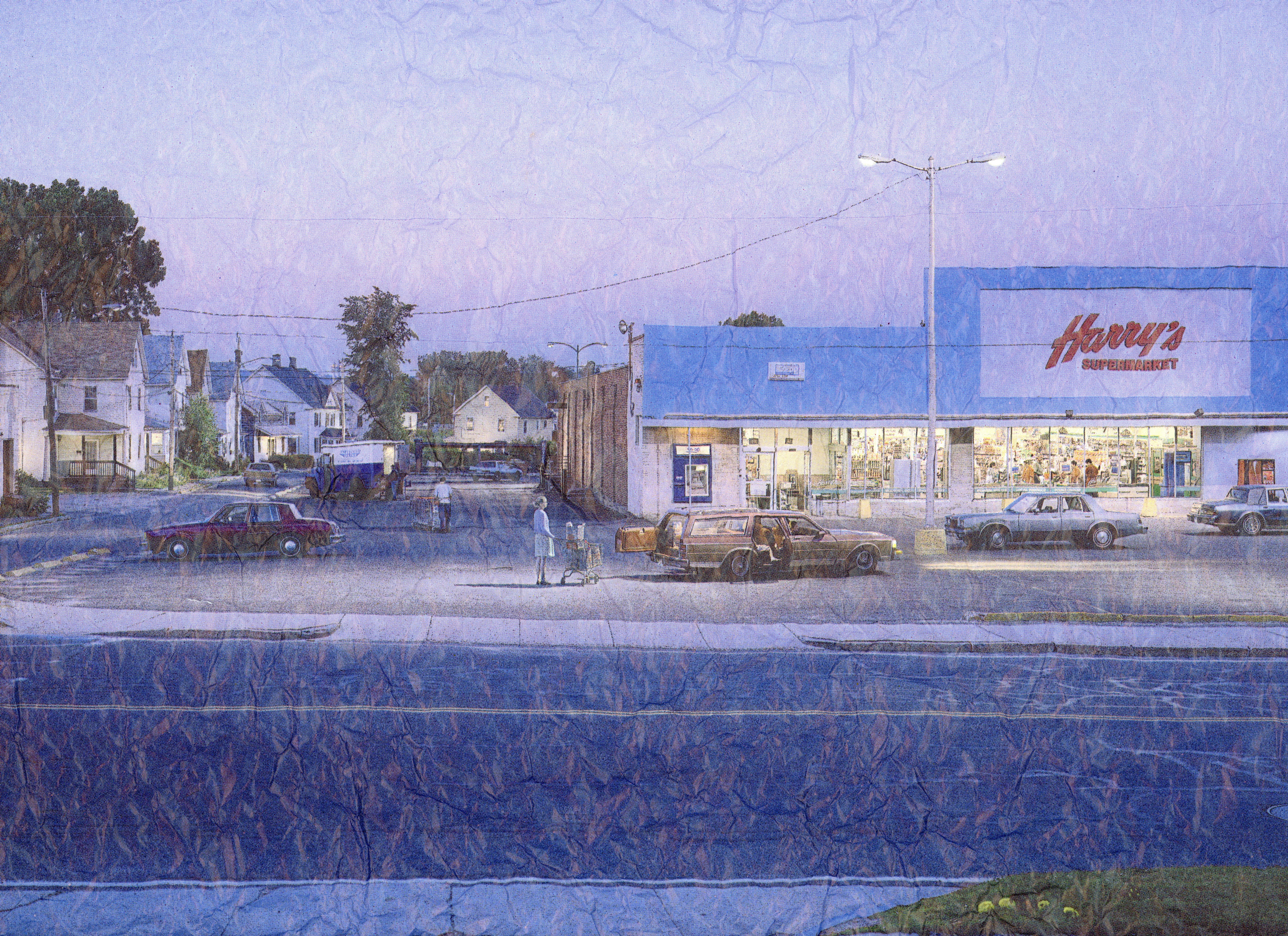
I found the store and asked for a shopping bag, along with the packaging for the clothes. Crewdson’s photographs were printed onto them in a stiff, almost forced way—like a conspicuous block of color, lifeless, ignored, even a little pitiful. How many people, like me, walked into the store only because they recognized Crewdson’s images?
Crewdson’s photographs are filled with solitude, weight, age, and a faint unease. Aritzia, on the other hand, is a fast-fashion brand—light, trendy. They have nothing to do with each other. This feels even more abrupt and foolish than printing photographs or famous paintings onto mugs or T-shirts. What I see is a brand trying to package itself on a symbolic level, to appear more artistic, forcibly inserting unrelated art.
They are simply placed together—(Aritzia’s logo) and (Crewdson’s photographs).
Like a fish forced to ride a bicycle.
I put the packaging into my bag and brought it back to Atlanta to scan. This image is the result of that scan.
From an aesthetic perspective, I quite like this iteration of the image. A flat photograph transforms together with its physical material, becoming dimensional, even more surreal.
I suspect there are many more examples like this. I should pay closer attention.
我在纽约的SOHO区逛街,一些行人手上的购物袋吸引了我的目光。在购物袋的两面都放了照片,照片的上方悬着一个叫Aritzia的品牌logo。这些照片让人觉得熟悉,我凑近细看,果然是Gregory Crewdson的照片。
这莫名其妙的插入让我来了兴趣。
我简单搜索并调查了这个品牌,发现是一个欧洲品牌,定位是中高端女性时尚。这些标签与美国南方,甚至美国都毫无关联。
我找到这家店,在里面要到了一个购物袋,以及衣服的包装袋。Crewdson的照片被生硬地印在上面,像是一个显眼的色块,毫无生气,无人在意,甚至有些可怜;到底有多少人会像我一样,是因为认出了Crewdson的照片,才跑进这家店呢?
Crewdson的照片满是孤寂,沉重,老旧,透着淡淡的不安,Aritzia是快时尚品牌,轻快,新潮——他们毫不相干。这比将照片或者名画印在杯子或是T恤衫上更加唐突和愚蠢,我看到的是一个想从符号层面包装自己,让自己显得更有艺术气质的品牌,强行插入了毫无关系的艺术。
它们只是被放在一起,(Aritzia的logo)和(Crewdson的照片)。
就像是一条被迫骑自行车的鱼。
我将包装袋装进包里,带回亚特兰大扫描,这张照片是扫描后的成果。
就美学角度而言,我很喜欢这个照片迭代,一张平面的照片同物理的质料一齐发生转变,显得立体,甚至更加超现实起来。
我想这样的例子还不少,我应该多多观察…
2026.3.18
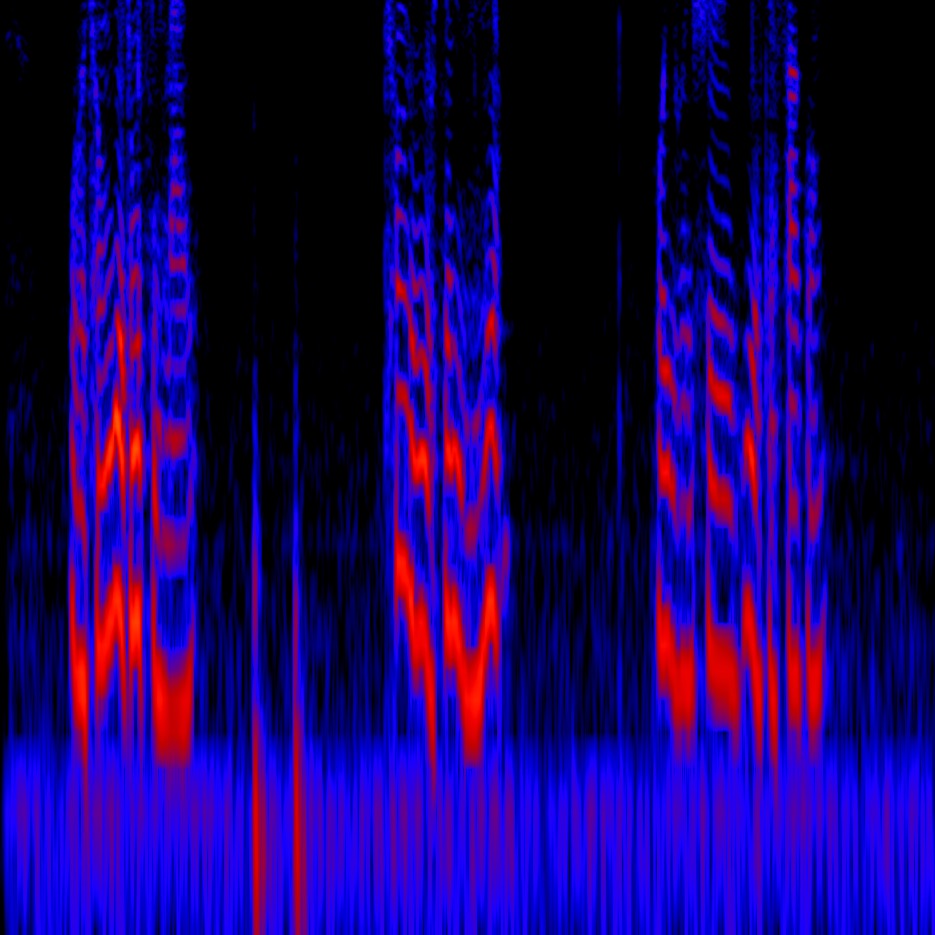
Poem Field / 诗场
I never read my own poems, even though some would insist: “Only when a poem is turned into sound waves, when it spreads outward, does it complete its meaning.”
But I never read my poems. They are so quiet—
Well, perhaps I’m just too shy.
Of course, I could read them aloud—late at night, or in the noise of a crowded city; when no one is around, or when I am surrounded by countless people. I might read them softly.
Or I could record my voice, turn the reading into audio, and then translate that into an image. That, without question, would still be my poem—and I wouldn’t mind anyone looking at it.
I convert the recording into a spectrogram, then, guided by the feeling of the poem itself, I define its colors, textures, and proportions. In the end, I arrive at this image.
The title of this poem is "夜", which translates to "Night".
我从不读自己写的诗,即便肯定会有人说:“只有当诗句被转化为声波,扩散开来,它才完成了自己的意义。”
但我从不读自己写的诗,它们是那么静谧——
好吧,也许我只是太害羞了。
我当然可以读出来,当夜深人静或是在嘈杂的闹市,当没有人或是无数人在我的身边时,我也许可以小声的读我写的诗。
或者,我也可以将我读出的诗以音频记录,再转换成图像,那毫无疑问也是我的诗,而我也不介意任何人的观看。
我将录音转换成声谱图,再以这首诗本身的感觉来从视觉上自定义颜色,粗糙度,以及图像比例,最终做出这张图。
这首诗的标题叫《夜》。
2026.3.27
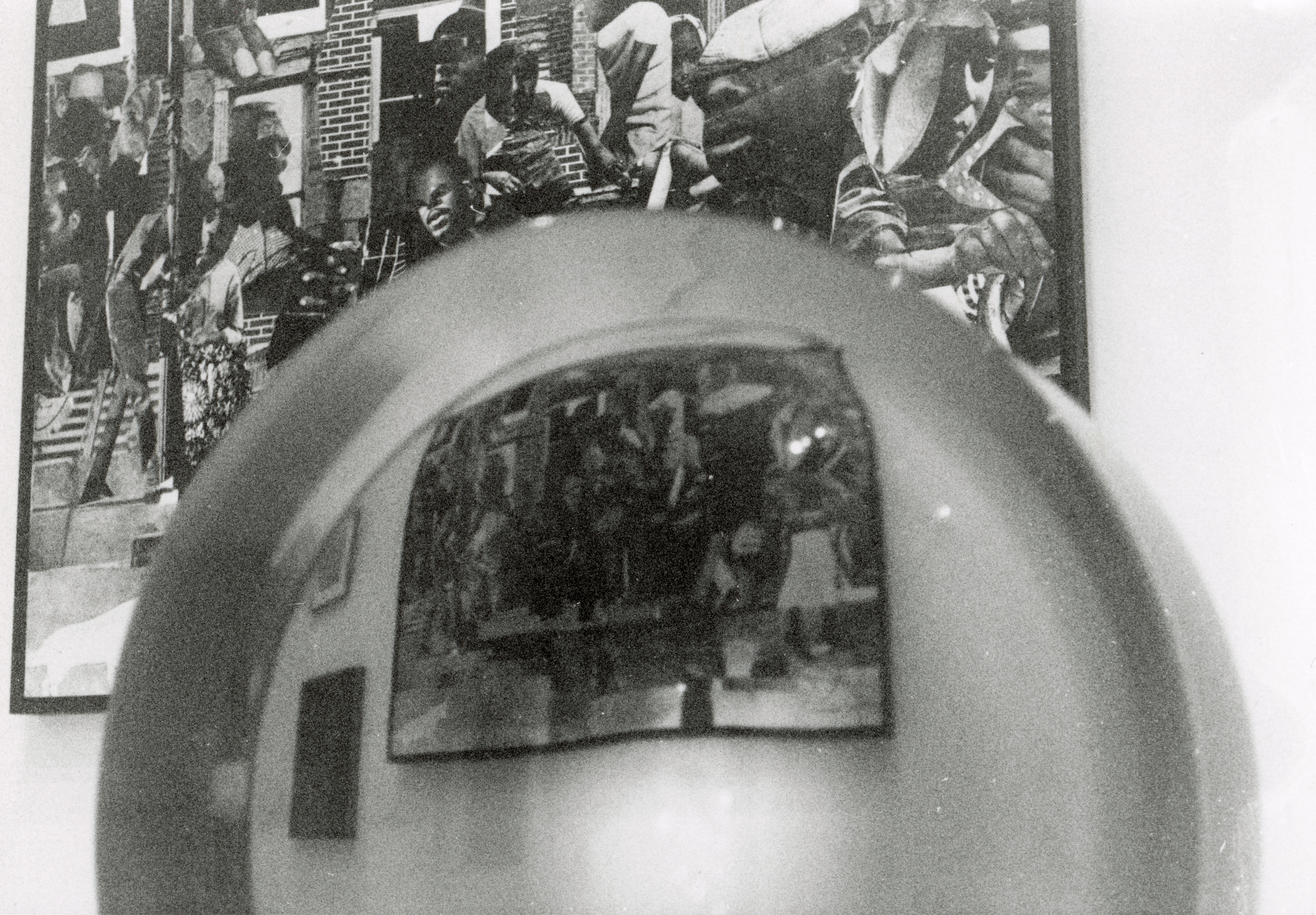
In Between Arts / 作品之间
When I make a photograph of a single artwork, the act of photographing mainly functions as replication or documentation.
But when I make one photo that includes multiple artworks, arranging their positions in the frame intentionally, and even finding a specific angle that shows the interactions between the artworks, the disclosure of such interactive relations makes my photography the only means of disclosure.
当我拍摄单个艺术品,我的摄影行为主要达到了复制或是保存的目的。
当我同时拍摄多个艺术作品,将它们放到不同的位置,甚至从特定角度去拍摄多个艺术品在视觉上的相互作用时,它们的关系本身就成为了我摄影的对象,也成为了只能通过摄影来揭露的现象。
2026.3.31
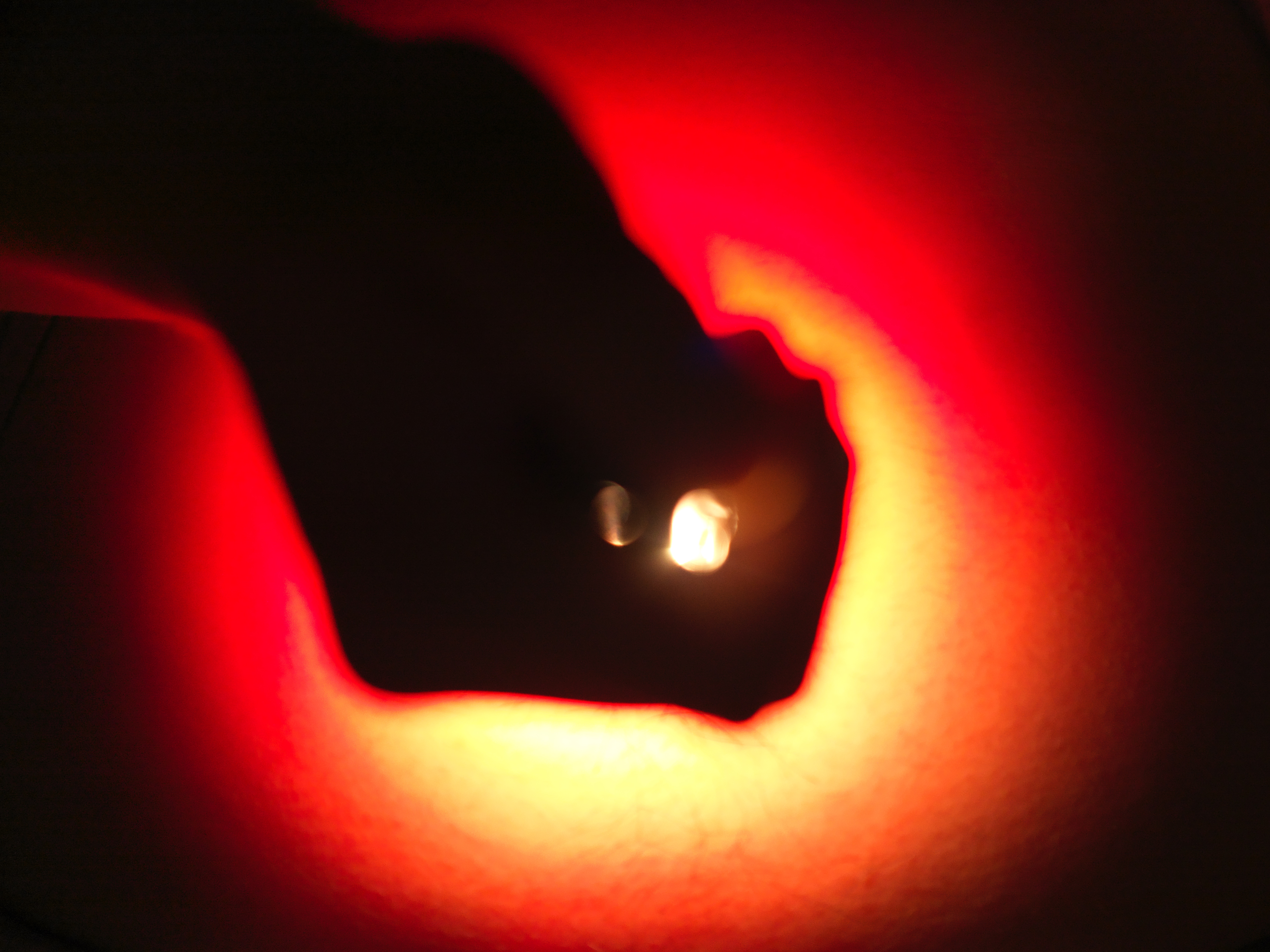
Meat / 肉
We spent too much time photographing one's skin, yet not enough time to photograph one's meat.
我们花了太多时间来拍摄人的皮肤,却没有花足够的时间去拍摄人的血肉。
2026.4.8
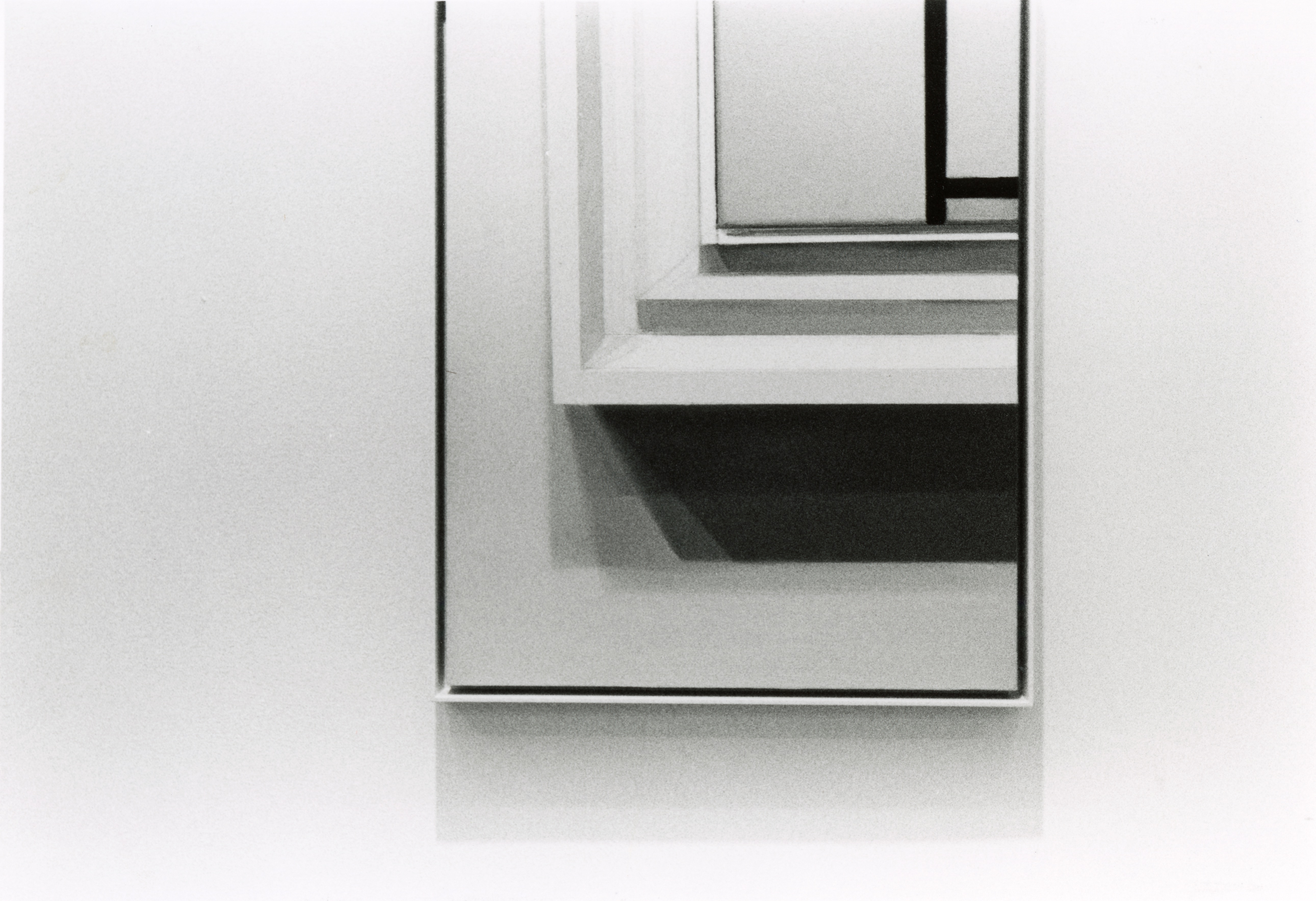
Material Art / 实体艺术
This photograph captures both a painting that depicts the shadow beneath a frame and the shadow beneath this painting. The painting itself actualizes a quirky everyday discovery, and the photograph becomes another actualization of it.
I remember seeing a “Wes Anderson–style” photography exhibition at the Fosun Art Center in Shanghai. (The theme itself is quite opportunistic, even somewhat pandering.) Some of the photographs even deliberately printed a gray-black “shadow” at the top of the image to depict a frame shadow that doesn’t actually exist, as if afraid that the shadow cast by the already protruding frame was not deep enough.
This pursuit of “material presence” is not without reason—but is it truly necessary for photography? Is it a constructed linkage between physicality and value, or are we, by nature, more drawn to things that feel tangible and touchable?
这张照片不止拍摄了一幅画以及其画框下的影子,就连这张照片中的画的内容也是一幅画下方的影子。这幅画捕捉了日常细节中的有趣现象,而这张照片又将这幅画为主体观察,复现了相同的概念。
还记得我在上海的复星艺术中心看过一场“韦斯·安德森”风格摄影的展览。(这主题本身就非常取巧,甚至献媚了)其中的摄影甚至为了展现不存在的画框阴影,刻意在打印出来的照片顶部印上了一条灰黑的“影子”,生怕已经突出的相框所投下的影子不够深。
这种对于“实体感”的追求并非没有道理,但这份实体感对于照片而言真的有必要吗?它们到底是一种实体-价值的概念绑定,还是说我们作为人的本性会更加喜爱实体性的,可触摸的存在?
2026.4.11
Fake Stars / 假星空
I once mistook the branches outside my window, on a night of heavy rain, for massive clouds capable of tearing open the sky. My skin prickled.
I stared at those clouds for a long time, until I noticed them swaying in the wind—only then did I realize they were in fact branches.
On this morning, before sunrise, the sky appears like fragments of deep blue glass, inlaid between the branches.
I lift my head from writing and think, for a moment, that I am looking at a starry sky.
我曾在一个暴雨夜将窗外的树枝看成足以撕开天空的庞大云朵,它让我汗毛竖起。
我盯着那些云朵看了很久,才发现它们在随风摆动,这才意识到那其实是树枝。
在这个清晨,日出前的天空像是幽蓝色的碎玻璃,嵌在树枝之间。
我从书写中抬头,以为是看到了星空。
2026.4.12
Blood Light / 血光
The light travels through my blood, my blood stains the light, and casts it onto the walls of my room.
The body cannot express space, and space cannot represent the body, but photography can bring the two together.
光穿过了我的血液,被它染红,然后打在了墙上。
身体无法表达空间,空间无法代表身体,但是摄影可以从中将二者结合。
2026.4.14
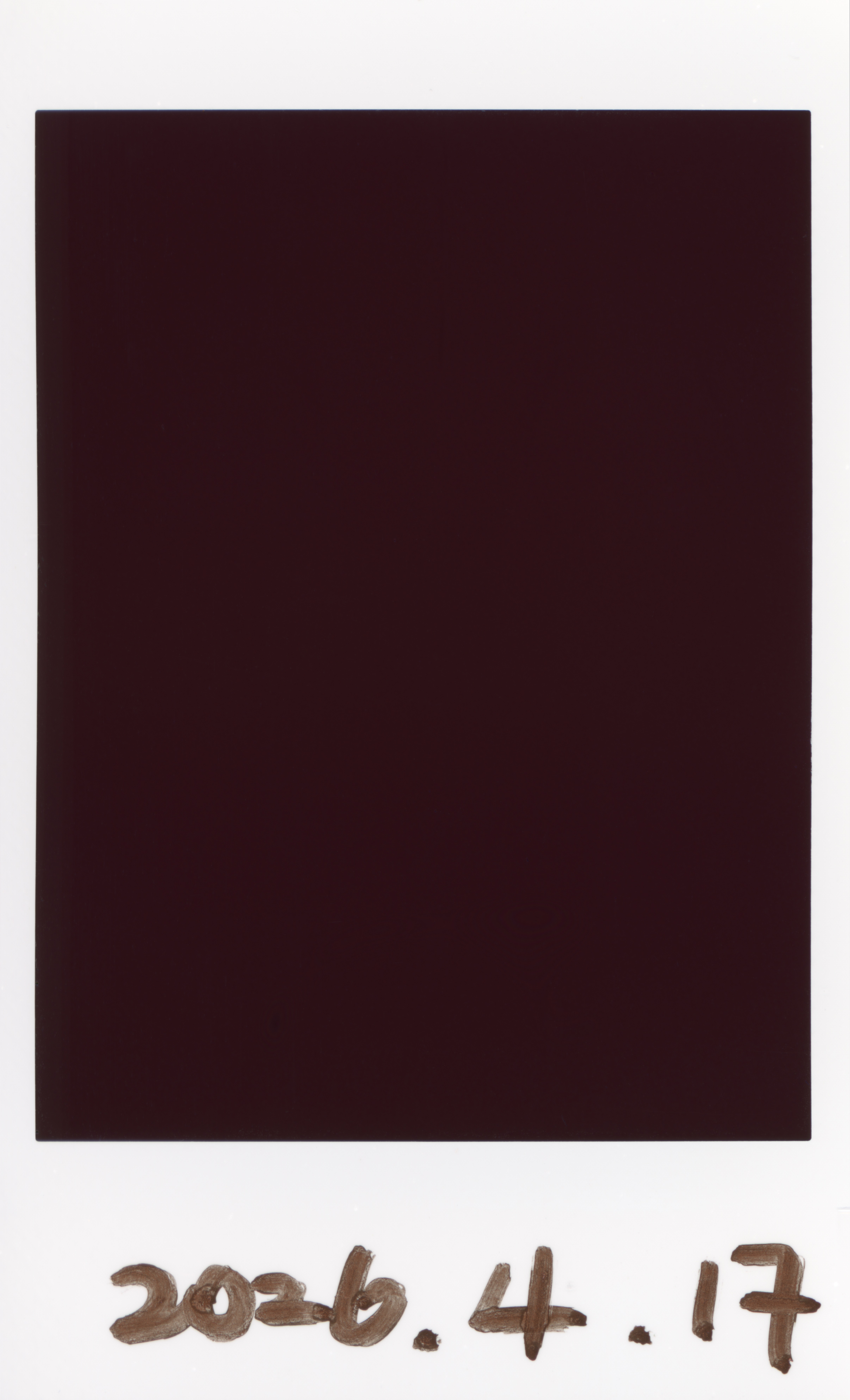
Black But Not Black / 黑非黑
My Polaroid camera sometimes malfunctions, producing images that appear completely black. But upon closer inspection, these photographs are not truly black—they are a kind of very deep, almost purplish brown. Their chemical nature prevents them from ever reaching a pure black, whether in a digital-mathmatical sense or even visually. Or rather, the black of Polaroid is not a conceptual black, but a relative one, constrained by its own material limits.
At the same time, this “black” is not uniform. If you look carefully, you can detect subtle, gentle variations across different areas. The differences are extremely slight, yet it is precisely this nearly imperceptible but undeniably present internal variation that makes the phenomenon so captivating—like the paintings of Rothko, inviting you to look closer, to distinguish, to lose yourself.
I think different types of Polaroid film probably produce different kinds of black. I want to collect them.
我的宝丽莱偶尔故障,产出完全没有成像的黑色照片。仔细观看,这些照片并不是黑色,而是某种很深的,几乎带紫的棕红色。它的化学性质让它永远无法达到纯粹的,数字上的,甚至视觉上的黑色。或者说,属于拍立得的黑色并不是概念上的黑色,只是相对的、被其本质所限制的黑色。
同时,它的“黑色”也并不均匀。如果仔细观看,就能发觉某种微妙的,温和的区域性颜色变化。它们的差别极其细微,但正是这种难以察觉却绝对存在的内在变化让这种现象及其诱人,就像是罗斯科的画那样,让人忍不住细看,辨别,迷失。
我想,不同的宝丽莱相纸大概也会有不一样的黑色,我想我可以去收藏一些。
2026.4.17
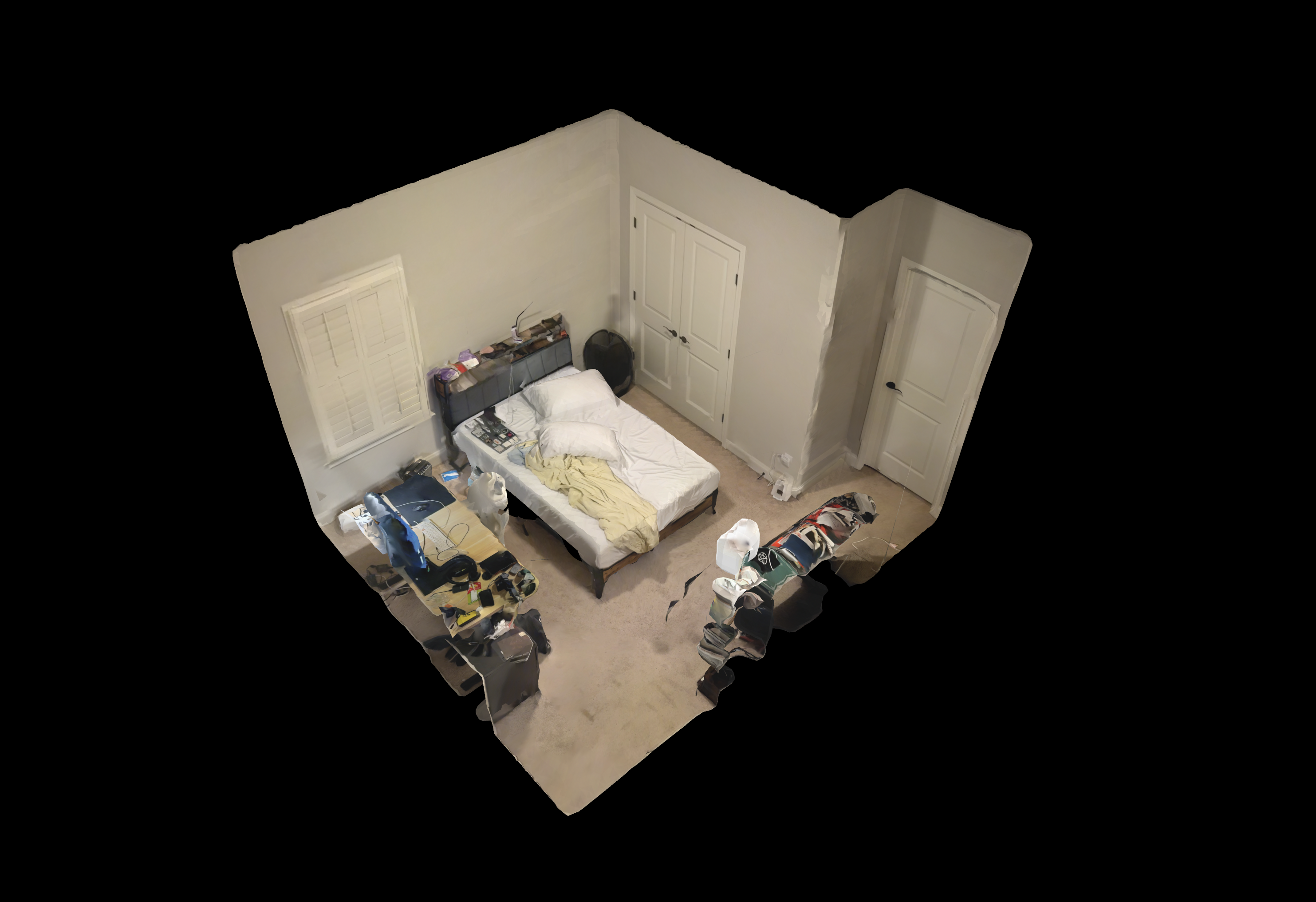
My Room / 我的房间
When I was very young, I once cried over a pillowcase that had disappeared—after searching for it desperately, I finally found it, already turned into a piece of cloth on the balcony to step on.
I always find it hard to throw things away because of emotional attachment, even when they no longer serve any use to me. But I have also come to realize that not every memory is worth preserving or revisiting. Still, discarding them brings a kind of fear, as if I am erasing a part of my own existence. I think this is exactly why I am drawn to photography.
Around this time last year, I scanned my room with my phone, preserving it as a 3D file with photographic textures. Even though the resolution is not high, I can revisit this space I once stayed in for long periods from any angle at any time. I have no doubt that this is a form of photography—a kind that can contain space, a photography that renders the past with precision.
But then again, does this method of making memory precise also kill the romance that lies within uncertainty?
我在很小的时候曾为我消失的枕头套而哭泣——当我苦苦找寻,最终发现它的时候,它已经变成了阳台上的一块垫脚布。
我总是因为感情的羁绊而无法丢弃那些即便已经对我没有用处的东西,但是我也越发认识到,并不是所有的回忆都值得被珍藏和反复回顾,但将他们丢弃又会引发一种将自己的存在部分抹去的惶恐——我想这正是我喜爱摄影的原因。
在去年的这个时候,我将自己的房间用手机扫描,让其被保存成一个带有照片贴图的3D文件。即便清晰度不高,我也随时可以从各种角度来观看这个我曾长时间停留的空间。我认为这毫无疑问是一种摄影,一种可以容纳空间,让过去变得精准的摄影。
当然,这份对于回忆精确化的手段,是否会杀死不定性中的浪漫呢?
2026.4.25

Green / 绿
This is a 1×1 green pixel. Its scale is finite on the numerical level, but from the perspective of the image, its size can be infinite.
It is one fifty-millionth that I extracted from a photograph of more than fifty million pixels. I place it here not because it is an important work, but because its existence will serve as proof of a consciousness of the portfolio.
Just as when I write with pen and paper, I might notice the ink bleeding at certain areas, and then, halfway through writing, begin to describe my disgust toward this phenomenon—this is an observation of creation itself during the process of creation, and an exposure of perception.
I realize that I am not someone who particularly likes green. Or rather, green is a color that rarely appears in my photographs. Up to this point, my Minimal Reality has still not produced an image with green as its dominant tone. When I discovered this, while also having no plan to photograph anything especially green, I felt a kind of very uncomfortable imbalance. So I wanted to insert this pure green pixel into the website, seeing it as a kind of balancing and adjustment of the portfolio as a whole.
I really am an awkward, compulsive person.
这是一个1x1的绿色像素,它的量级在数字层面有限,但从图像的角度来说,它的大小却可以无穷无尽。
它是我从一个五千多万像素的照片中采集出的五千万分之一。我将它放在这里并不是因为它是一个重要的作品,而是它的存在将会作为一个作品集意识的证明。
正如我在用纸笔写作的时候,我会关注到墨水在一些角落晕开,然后便会在书写的半途开始描述我对于这种现象的厌恶——这是一种创作过程中,对于创作本身的意识观察以及感知暴露。
我意识到我是一个不怎么喜欢绿色的人,或者说绿色是在我的照片中鲜少出现的颜色。我的这个Minimal Reality持续到现在,还并没有以绿色为主色调的图像出现。当我发现这一点,却又没有计划拍摄尤其绿的照片时,就有种非常膈应的感受。于是我就想将这块纯绿的像素插入到网站里,视作对作品集整体的一种配平和调和。
我真是一个别扭的,强迫的人。
2026.5.16
The Day / 那一天
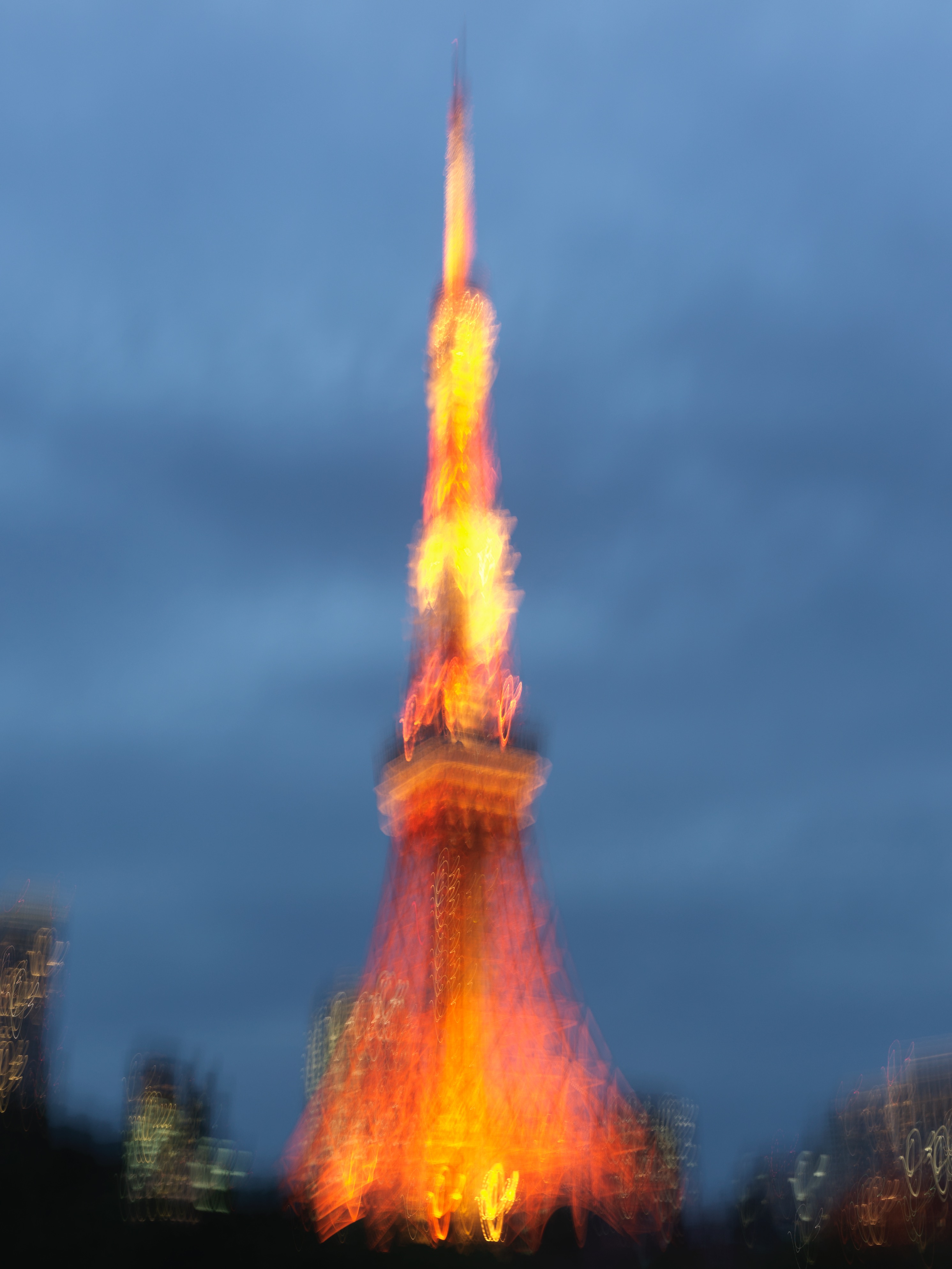
The day will come.
It is only a question of time—
the great earthquake is inevitable,
and this is the form its reality will take.
那一天终将到来,
这只是一个时间问题——
大地震是一个必然性,
而这终将成为现实的模样。
2026.5.20
Black Sun / 黑太阳
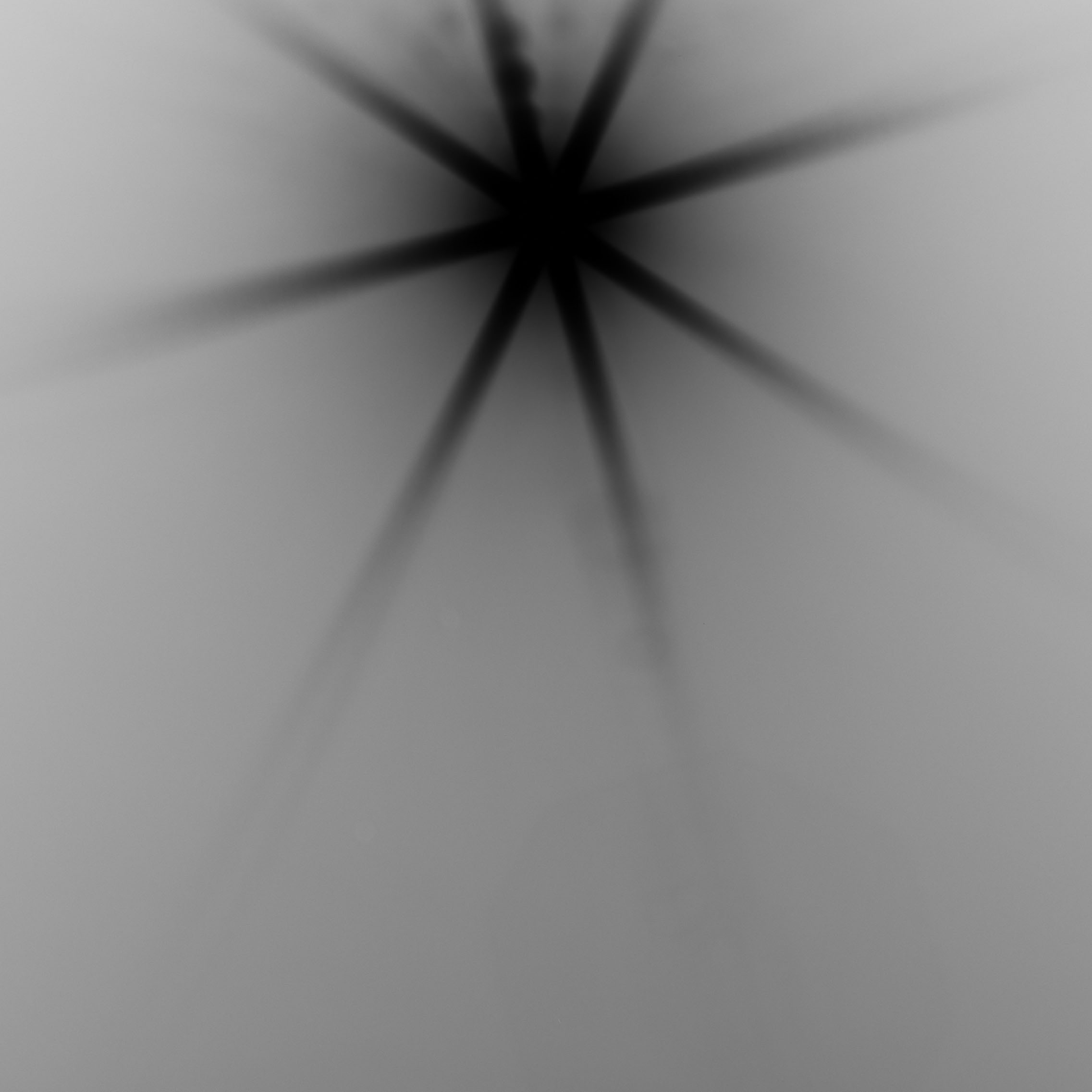
Worn down by the long flight, I soon sank into sleep. When I woke, I opened my eyes expecting the sun of a new day, only to find the night before me, heavy as a wall of earth.
Jet lag is a symptom of our smallness, of the finitude of being human—if my eyes were as vast as the celestial bodies, there would be no sunset in my world.
Time plants an invisible sun within us. We usually call it the biological clock. The sun—the bright sun—still exists, surely and elsewhere, only on the other side of the Earth. And here, on this end of the night, the black sun inside me is also casting its black light.
经过长途飞行带来的疲惫,我很快落入梦里。睡醒时分,我睁眼期待着新一天的太阳,却只见到如土墙般厚重的黑夜。
时差是我们作为人的渺小与有限性所带来的现象——如果我的眼睛同天体那般巨大,那我的世界将永远没有落日。
时间在我们的心中种下了一棵看不见的太阳,我们通常称之为生物钟。太阳——明亮的太阳仍切实存在,只是在地球的另一边;同时,在黑夜的这一端,那个我心中的黑太阳,也在发出黑色的光。
2026.5.28
Overstep / 僭越
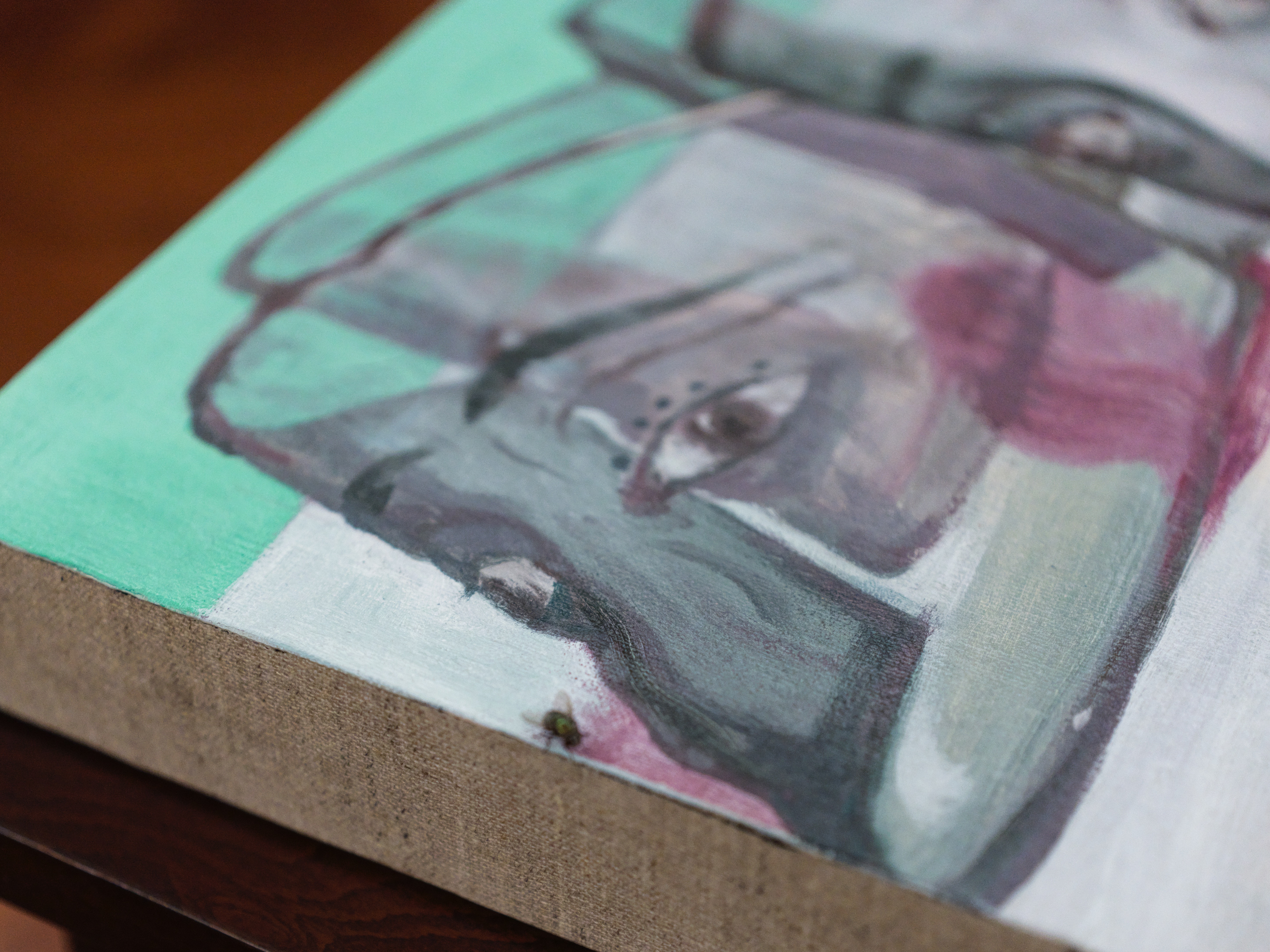
A fly wanders rampantly across an oil painting—somewhere I would never dare place my finger. Insects, animals, and perhaps all living things possess the power, or the privilege, to overstep every rule and structure built by human beings. The heads of statues of gods, after all, are favorite landing places for seagulls and pigeons.
By analogy, this is also how photographers operate. With the camera—an instrument that allows its holder to objectify, and even materialize(by film), their surroundings without consent, restrained by almost nothing except the absence of light—I am no different from an overstepping fly. The fact that I recognize these boundaries and still choose to photograph makes the act itself all the more hostile.
苍蝇肆意地游走在一幅油画之上——那是我绝不敢将手指放上去的地方。昆虫、动物,乃至一切有生命之物,都拥有无视和越过人类所建立的一切规则与结构的力量,甚至可以称之为特权。毕竟,神像的头顶向来是海鸥与鸽子最喜欢的落脚处。
摄影师的运作方式亦是如此。借助相机——一种使持有者无需征得同意,便能够将周遭的一切客体化,甚至通过胶片将其物质化的工具;几乎没有什么能够阻止它,除了光线的缺席。在这样的结构中,我与一只越界的苍蝇并无不同。我明知这些边界的存在,却仍然选择拍摄,便让摄影这一行为本身显得更加具有敌意了。
2026.6.4
Blackout / 大停电
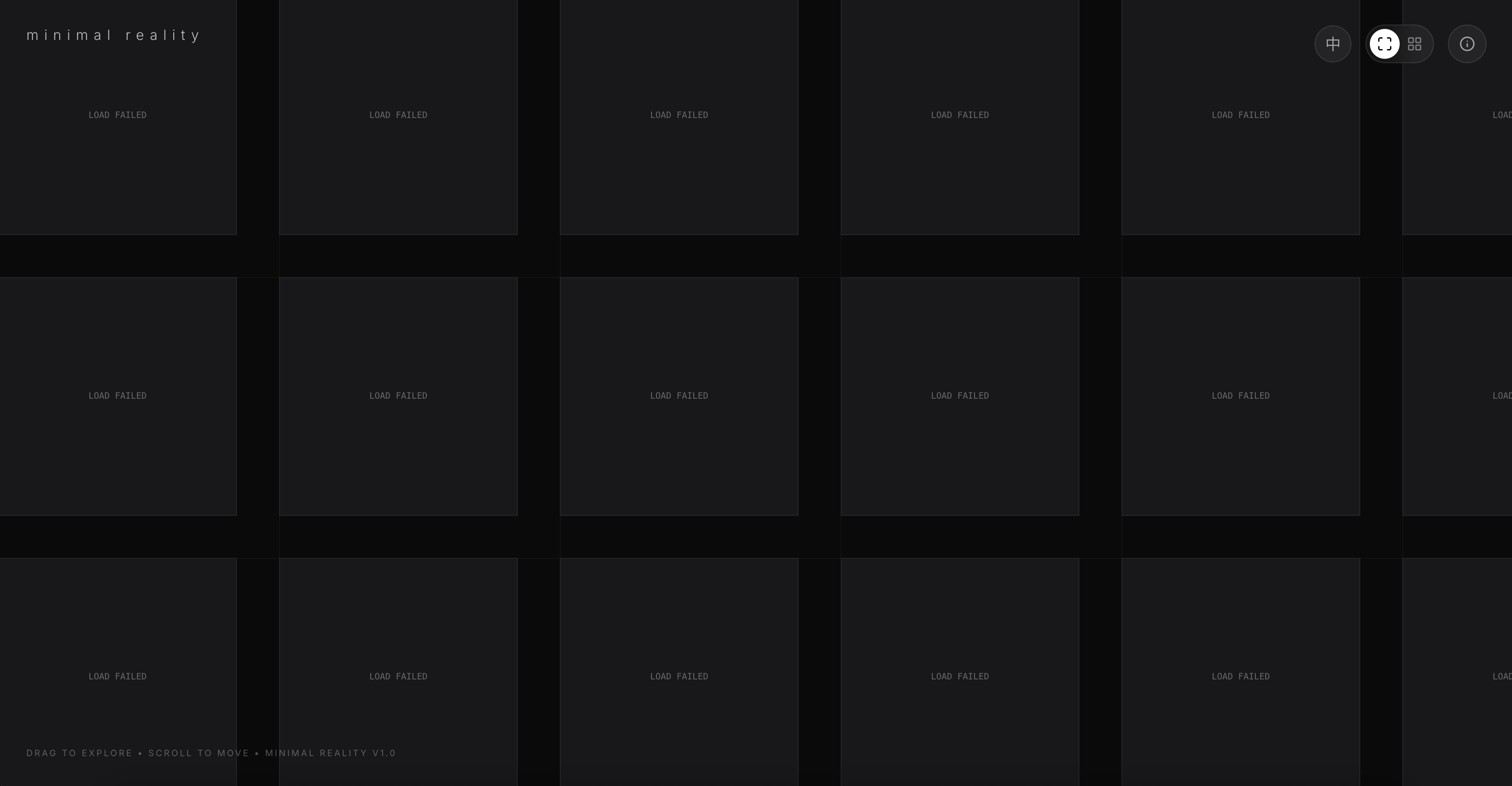
While iterating on this website, something went wrong, causing all the photos I had uploaded to disappear — like a localized blackout of information.
The words LOADING FAILED stood like tombstones after the death of data, repeating across my screen in neat, endless rows.
Structures built upon modernity are, after all, this fragile.
我在迭代这个网站的时候出现了问题,导致我上传的照片全部消失,像是一场局部的信息停电。LODING FAILED的字样像是数据死亡后的墓碑,整齐又无限的在我的屏幕上重复。
建立在现代性上的结构就是如此吹弹可破。
2026.6.10
Staircase / 楼梯间
I think that, in the course of growing up, there must be many moments in which one comes to understand a crucial concept for the first time. What is attached to such a moment may be an object, or a place; in any case, something concrete.
I still remember the first time I fully understood “left” and “right.” It was on the way home from kindergarten. The car would always turn right at the intersection of Ruijin First Road and Huaihai Middle Road, and it was then that I understood the difference and opposition between left and right, as well as the most immediate way in which they appeared before me. Many years after that moment of revelation, whenever I find myself unable to distinguish left from right, whenever my mind comes to a halt, that intersection unfolds again before my eyes. Sometimes I even begin to doubt myself: why do I not use my left and right hands as the standard, to regain control over this potentially fatal confusion? But perhaps that intersection on the road home was written into my consciousness at a higher level of priority, bound to the most basic of concepts.
Something similar is true of my understanding of “depth,” which cannot be separated from the stairwell of the building where I grew up. This “deep” is not the relative idea of depth—not like saying that one vase is deeper than another, something one can see at a glance or reach into with one’s hand—but an absolute kind of depth, one difficult to measure even with my own body as its basic scale: a depth enough to make me uneasy. The deep sea, the deep well, deep space...
There are many kinds of depth, but no two things are deep in quite the same way. Unlike the grandeur of the Grand Canyon, or the visible profundity of a natural cave, the narrow, almost nonexistent slit formed by dozens of flights of stairs stacked downward in a stairwell is more fascinating to me. Its depth cannot be investigated precisely because it is so narrow. One cannot see its bottom; it therefore takes on a texture closer to endlessness. When I was very young, I tried to touch and explore this gap by spitting downward, watching how many floors my saliva could fall through, hoping that it would continue to descend vertically, until it disappeared into the darkness.
我想,人们在成长的过程中,必然有许多认识到关键概念的时刻。与这个时刻相关的内容可能是一个物品,或是一个地点,总之是一个具体的对象。
还记得我第一次彻底理解“左”和“右”,是从幼儿园回家的路上。车子总在瑞金一路和淮海中路的那个路口右转,而我也是在那个时候认识到左和右的差别和对立,以及它们直观的呈现方式。在那一次顿悟的很多年后,每当我在左右不分,大脑凝停的那些时刻,那个路口都会重新在我眼前展开。有些时候我甚至会自我怀疑:为什么我不是以左手和右手作为标准来进行区分,重新把控这个足以致命的错乱,但那个回家路上的路口大概是以更高的优先级写入了我的意识,同最基本的概念绑定在了一起。
与此相仿,我对于“深”的认识,和我从小居住的楼里的楼梯间脱不了干系。这个“深”并非是相对的“深度”概念,不同于“一个花瓶比另一个花瓶要深”这种可以直接目测或是用手能探出的相对概念,而是一种绝对的,以我的身体作为基本尺度都有些难以衡量的深,足以让我心生慌乱的深:深海,深井,深空......
深的东西并不少,但它们深的方式却全然不同。不同于科罗拉多大峡谷的那种雄伟,或是天然溶洞那可视的深邃,楼梯间里那几十段楼梯向下堆叠而出的那条似有似无的小缝,让人更加着迷。这条缝的深度因为它的狭小而无从探查,看不到底,从而给人带来更类同于无尽的质感。还记得很小的时候,我试图去接触和探索这条缝隙,是通过向下吐口水,看我的唾沫可以一直下落几层,期盼着它能一直垂直下落,直到没入黑暗。
2026.6.15
Stiller / 长截
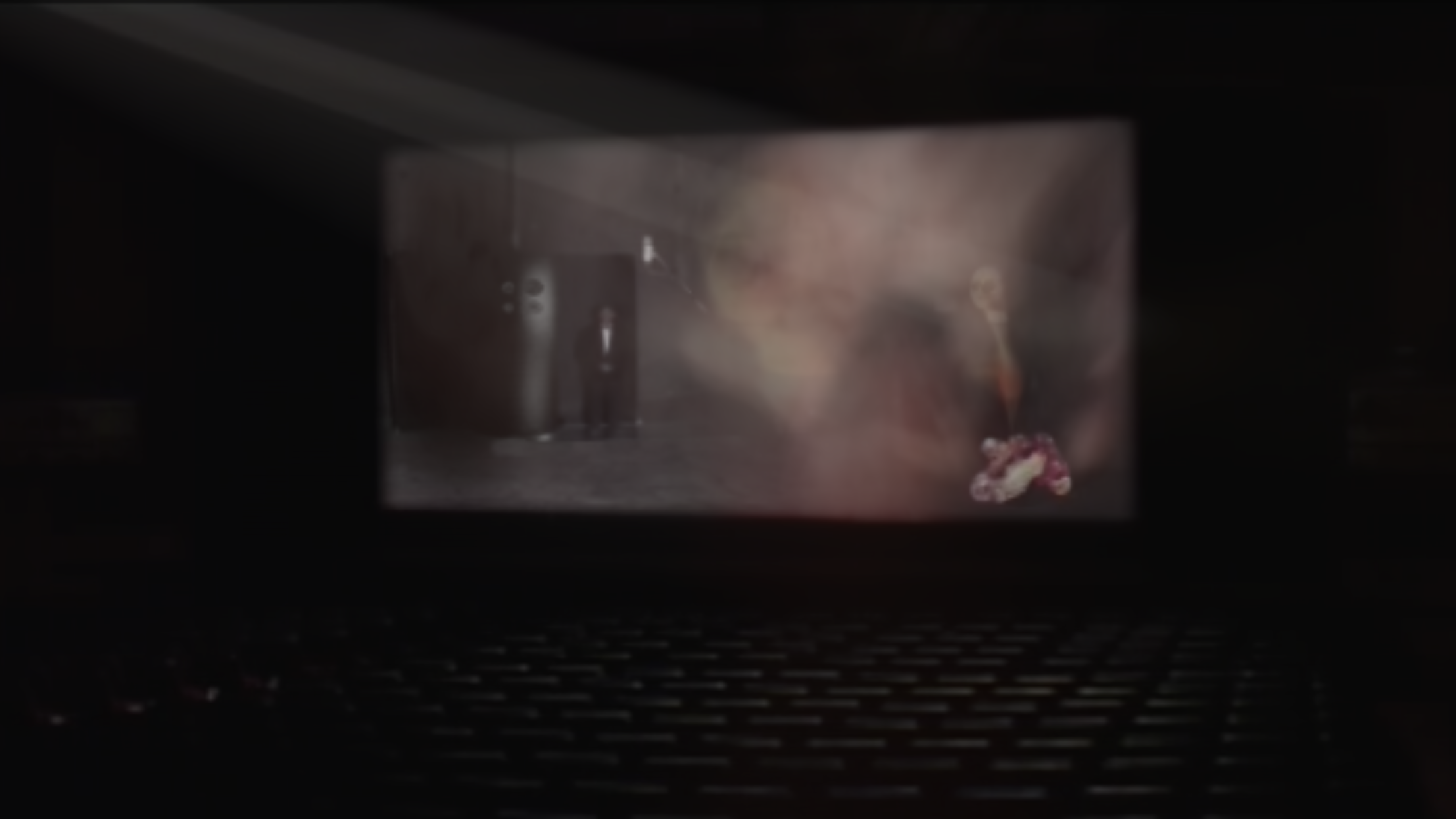
I developed Stiller, a piece of software that allows users to take long-exposure screenshots.
In my view, long exposure is a crucial part of photography as an art form. One might even say that every exposure, regardless of its duration, is a form of long exposure operating at a different scale. By formally introducing the concept of long exposure into the purely electronic act of taking a screenshot, the proposition of “the screenshot as a form of photography” gains a certain ontological elevation. It becomes more credible, and more worthy of exploration.
This image comes from David Lynch’s experimental short film *Scissors*, one of my favorite short films. I used it to test the software I had developed. In the film, a distorted female dancer flickers in and out of the screen. Through long exposure, I recorded these fragmented movements.
In the way I designed the software, the longer the exposure lasts, the more the image becomes overexposed and gradually fades into white. This brought me back to Hiroshi Sugimoto’s *Theaters* series, and to the pure white rectangle produced through long exposure. Were I to expose an image with this software for several hours, it might eventually produce an image arising from an entirely different source, yet possessing essentially the same nature.
我开发了一款可以长曝光屏幕截图的软件,Stiller。
在我看来,长曝光作为摄影艺术的一部分是至关重要的。甚至可以这么说:任何曝光时间的长短,都是在不同尺度下的长曝光。将长曝光的概念正式引入纯电子的截屏行为,“截屏作为摄影的一种方式”的论调就获得了本体论层面的升华,变得可信且值得探索起来了。
这张照片来自于大卫林奇的实验短片,Scissors,是我最喜欢的短片之一,我用这部电影来测试我所开发的软件。其中有一个扭曲的舞女会在屏幕里外闪烁。通过长曝光,我记录了这些零碎的动作。
在我对软件的设定中,如果曝光的时间久了,照片会因为过曝而逐渐变成白色。我又想起杉本博司的剧院系列,想到长曝光所带来的纯白方块。如果用我的这个软件曝光几个小时,大概也会演变出完全不同源,却完全同性质的图像吧。
2026.7.13
Unconscious / 无意识
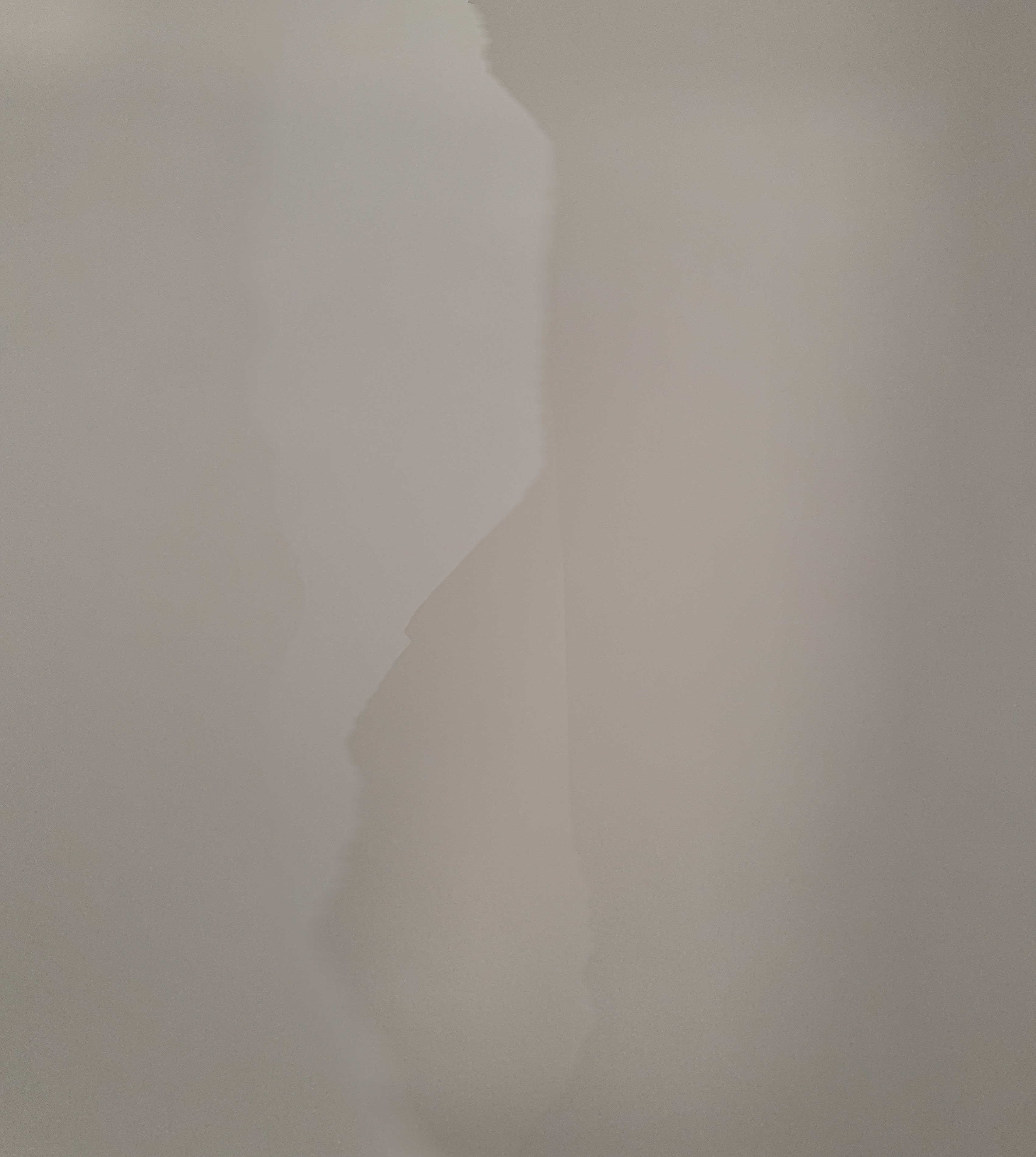
One afternoon, while wandering through art museums in Hangzhou, I somehow ended up with dozens of unfamiliar photographs on my phone.
They were all made of abstract lines and shades of grey and white, forming shapes that resembled strange terrains. Some looked like mountains buried in heavy fog, others like a sea disappearing into mist, cliffs, or narrow valleys. They made me think of many things: Chinese ink paintings, old and mottled walls, the chaotic images that emerge in the earliest stages of AI generation, worlds in dreams where day and night can no longer be distinguished...
After looking at where these photographs appeared in relation to the others in my photo libaray, I realized what had happened. They had been taken accidentally, while the phone was inside my pocket, triggered without my awareness. The lens had been pressed against the fabric inside my pocket, and through the phone’s peculiar machinery of computational detail-making and digitally-adjusted long exposure, it created images that were almost impossible to recognize, yet precisely because of their abstraction and delicacy, strangely beautiful.
As long as the medium of photography exists, and light exists—and of course, light always exists—photography does not necessarily have to be an act. It can also be a phenomenon.
Natural photographic media already exist. Our skin darkens under ultraviolet light. Leaves absorb sunlight. Objects of every kind undergo changes on their surfaces after being exposed to different forms and durations of light. To me, all of these are forms of unconscious photography: photography that simply happens in nature.
And so the photography that occurred inside my pocket—this photography that resembles a landscape—was born naturally as well, within a place so small and narrow.
在杭州逛美术馆的一个下午,我的手机里莫名其妙多出来了数十张照片。它们都有着抽象的线条,灰白的颜色,描绘出各种地形的形状,有些像是大雾中的高山,迷雾中的海面,峭壁或是溪谷。我想到很多:水墨国画,老旧、斑驳的墙壁,AI图片在生成早期的混沌图案,梦里不分日夜的世界……
在查看了这些照片在我手机相册里的相对位置后,我意识到这是一些在我口袋里,于无意识间被误触所拍摄的图像。镜头贴着我的口袋内部,随着手机特有的细节生成功能和电子长曝光,创建了这些难以辨认,却又因其抽象,细腻而显得非常迷人的图片。
只要摄影的媒介存在,且光存在(当然,光一直存在),那么摄影就不一定是一种行为,而是一种现象。自然的摄影媒介当然是存在的,例如我们的皮肤受到紫外线而变黑,树叶吸收阳光,以及各式各样受到不同光照而发生的,物体表面的变化——在我看来,这些都是无意识的摄影,自然发生的摄影。
在我口袋内部所发生的摄影——这份酷似地貌的摄影——也就此于微小狭隘之处自然诞生了。
2026.8.10
Prime Time / 最佳赏味期
2026.9.28